
A historic meeting, with little fanfare, was held June 7 at the Lucky Star Casino conference room. It had all the necessary leaders and partners, such as the mayor of Watonga and the director of the Fort Wallace Museum in Kansas.
But there was more going on than just a meeting. There is a move afoot to do more to preserve and conserve the histories of the Cheyenne and Arapaho tribes and highlight how important that history is to this area. The museum in Fort Wallace was on hand because that area was once part of the tribal lands of the Cheyenne. The fort was built there in 1865 and dismantled in 1886.
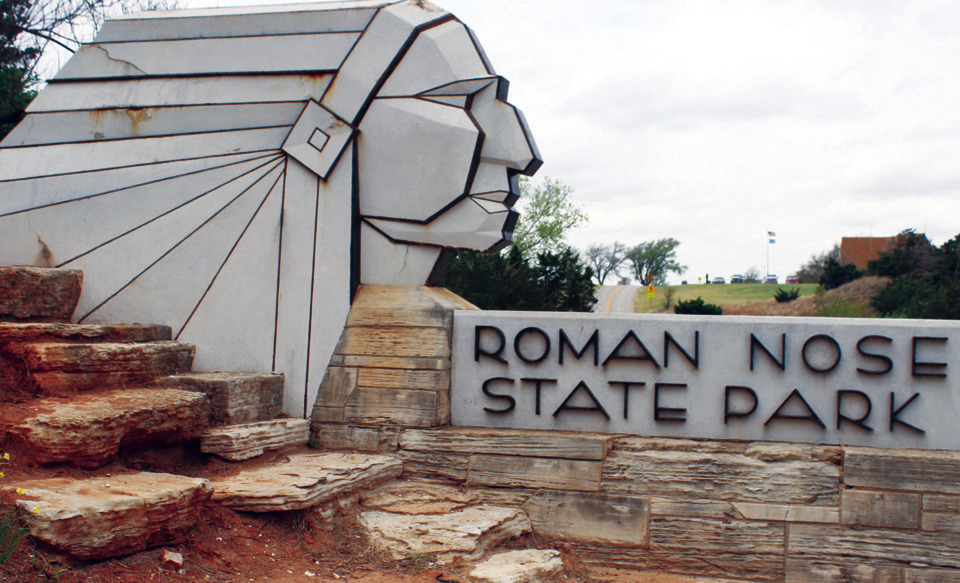
The participants were in unison about developing a tribal museum in Watonga to house the history and to keep alive the legacy of the tribes and the Roman Nose family as well. Patriarch Henry Roman Nose donated the land for what is known today as Roman Nose State Park. His descendants Larry and Melvin Roman Nose were instrumental in this kickoff gathering.
Henry Roman Nose is buried northwest of Watonga in the American Baptist Church cemetery off Airport Road. There are other notable tribal elders, such as Oakerhater, who was known for developing the Whirlwind mission and as an artist and has been designated as a saint by the Episcopal Church, buried there as well. His name is a corruption of O-kuh-ha-tah, roughly translated as sun dancer.
Hopes are to purchase an additional 20 to 40 acres west of the existing cemetery for development as a national historic site including a museum, which makes it eligible for additional funding from federal sources. Grants would be sought as well.
Norene Starr, executive and special projects coordinator of the C&A tribe, was on hand to help guide the development discussion.
One of the first goals is to name the cemetery, also known as the second Cheyenne Indian Baptist Church mission cemetery, as a national military cemetery. Many tribal members were and are proud to serve in the American military both in war and in peacetime. The military designation and placement on the national registry of historic places would also offer protections for the property and serve as a gateway to other designations and funding opportunities. “We want to develop a museum for the tribe, yes,” said Melvin Roman Nose. “But we need more than tourism to be sustainable,” he added. Other topics discussed included the repatriation of the remains of Native children who were removed from their families here and later died in the infamous Indian Schools around the nation. Another was the use of ground penetrating radar at the cemetery to determine the location of unmarked gravesites. The meeting ended with ceremonial burning of sweet grass and the traditional exchange of gifts. A City of Watonga flag was presented to Deb Goodrich from the Fort Wallace Museum and a Wallace coin was presented to Roman Nose. Although no time was set for the next organizational meeting, no doubt plans are moving ahead to create the historic designations being sought.