
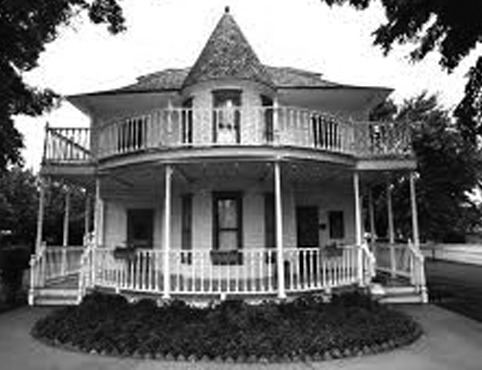
First, thank you who visited the Ferguson exhibits on Main Street and/or cheered T.B. and Elva in the 1971 VW in the parade during Cheese Festival.
As part of the series of celebrating our nation’s 250th anniversary in 2026 I am utilizing some articles about Mrs. Ferguson’s service in 1926. Mrs. Elva Ferguson visited Independence Hall as a member of the Advisory Commission for the Sesquicentennial (150th anniversary of the signing of the Declaration of Independence) (Ferguson Feature Oct. 7).
Mrs. Ferguson, Editor of The Watonga Republican writes early in 1926. “The Declaration Chamber in Independence Hall in Philadelphia will be a shrine of historical interest for visitors to the Sesquicentennial International Exposition opening June 1, 1926 because of the fact that a series of tableaux depicting historical events of one hundred and fifty years ago with be given within the actual confines of the room. The Chamber, an excellent example of English Renaissance architecture of the Georgian period, retains the original interior paneling and decorations, some of which have been removed. A portrait of George Washington hangs over the entrance door and was painted from life during the war by James Peale. The furniture is the original of that used by the Congress from 1775 to 1781. The silver ink stand used in signing the Declaration is a precious exhibit in the chamber.
The assembly of the Province of Pennsylvania in October 1736, was the first group to occupy the Chamber. Its use by the Assembly continued for a period of 39 years, up to the Revolution when the Continental Congress convened there.
On July 4, 1776, the Declaration of the Independence was passed in the chamber. On that day the document was read before the members.
Notable events that have taken place in the Declaration Chamber have been numerous. Washington accepted his appointment as General and Commander-in-Chief of the Continental Army on June 16, 1775. On June 14, 1777, Congress adopted the American flag. The Federal convention convened to frame a constitution. The bodies of John Quincy Adams, Henry Clay, and Abraham Lincoln lay in state there.
Reproduction of some of these events will be a part of the pageantry planned during the Exposition.”