
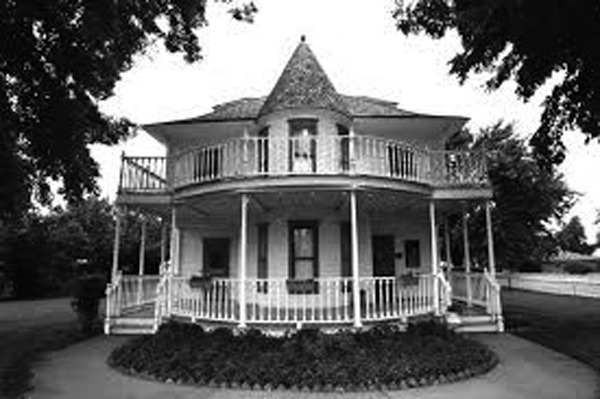
Agriculture in Oklahoma benefitted greatly from laws pushed through the Oklahoma Territorial Legislature during TB Ferguson’s term as governor of Oklahoma Territory from 1901-1906.
Governor Ferguson had grown up on a farm in Kansas and realized the importance of agriculture. According to the Encyclopedia of Oklahoma History and Culture https://www.okhistory.org/p ublications/enc/entry?entry= FE018 “To protect the developing farm and ranch industries, he (Ferguson) pushed through laws for stronger quarantine regulations, more livestock inspectors, and a territorial board of agriculture.”
Oklahoma had been a transit state for cattle from Mexico and Texas through the Chisolm trails (18671871) and the Great Western trail. John Lytle blazed this new trail in 1874, and through the 1880s and 1890s more than 300,000 head of cattle, 7,000 horses and more than 1,000 men moved north on the Great Western each year https://oksenate.gov/education/ senate- artwork/ greatwestern- cattle-trail With the railroads coming into existence, these cattle trails were no longer needed. However, cattle and horses continued to be imported and transit Oklahoma during after the land runs, including the run of 1892 that opened up the Cheyenne-Arapaho area for settlement. It was this opening that brought the Fergusons to Watonga in October of that year.
Important diseases of cattle and horses for which quarantine and inspection services were needed included tuberculosis, Bang’s Disease (Brucellosis), foot and mouth, rabies, scrapie and tick-borne diseases.
TB Ferguson saw the need to protect Oklahoma Agriculture and instituted the Board of Agriculture while serving the western part of what is now Oklahoma, then called Oklahoma Territory.
Come celebrate TB Ferguson’s birthday from 3:30 to 5:30 p.m. on Friday, March 17 at the Watonga Public Library. Enjoy cake and punch.