
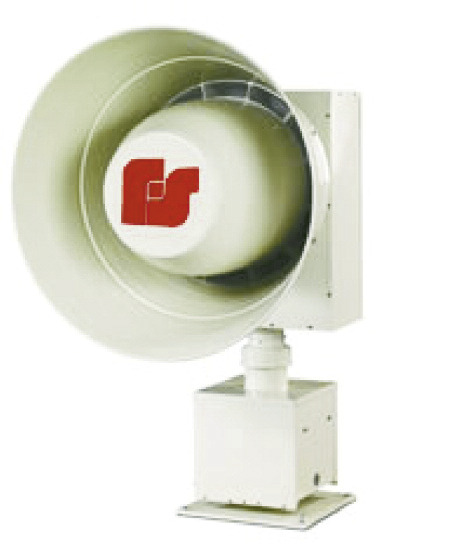
Part of the City of Watonga capital improvement plan was an upgrade to public safety. That would include modernizing the storm sirens for the town. Previously, the four sirens were copper wired, a configuration from Pioneer Telephone that has been phased out.
“Residents voiced concerns when the alarms didn’t sound. Some had to be activated manually, meaning an emergency responder had to climb up to them in a storm, putting them in even more danger,” said interim City Manager Karrie Little.
Hopes were originally that the new siren system could be funded through grants. However, the city council budgeted the money -- $282,054 – for sirens during the last budget cycle. That turned out to be a blessing in disguise, Little said, because most grants have been axed or put on hold by the new occupant of the White House.
“I’m thankful the council put it in the budget,” Little said, “I’m glad we didn’t rely on grants because the grants have been cut.”
City council member Ryan Bruner said that he was grateful there would be twice as many sirens as previously, eight instead of four. There were times when the siren nearest his home did not sound, and there was no coverage at all at Roman Nose State Park, where he works.
In the past, Bruner said, there was a designated park ranger whose job included warning park visitors of impending bad weather. However, now because of changes in the department of tourism at the state level, there are fewer rangers and Roman Nose shares a ranger with another park.
The park, which has been annexed into the city, will also have a new siren. There will be one further to the east of town, closer to the new Love’s location, and one near the Lucky Star Casino.
Additionally, the coverage areas will touch one another with a slight overlap so that if one siren doesn’t reach a resident’s home or workplace, another should.
The new sirens are activated electronically. There is a switch set off by storm warnings in the fire department for activation. Three of the sirens are also voice enabled, meaning emergency personnel can issue verbal warnings or instructions over the system. They can be activated by a cell phone app on the first responders’ phones as well.
“Now we can hit one button and they’re all on,” Little said. “Even if those guys are out storm spotting.”
The sirens are scheduled to all be in place and operational before June. They are solar powered with battery backup that lasts up to 45 minutes running time. They are rotating sirens that sound off at 126 dB at 100 yards.
“It’s all about improving public safety,” Bruner said.