
The Watonga City Council met October 9 in special session with just two items on the agenda.
First up was the agreement with the Blaine County EMS 522 board. Last year that entity paid the city some $285,000 and had proposed a 1015% increase for this year but offered no firm number. Because the 522 board was to meet Oct. 14, it needed an agreement.
However, Council member Neal Riley wasn’t willing to have the city agree to what amounted to a blank contract. The money paid to the city is to house the ambulance service and the emergency medical services. Previously there was a $5 charge on the utility bills, but that was removed in 2023.
Eventually, Mayor Ryan Bruner suggested the city authorize himself and the city clerk to sign the contract on Tuesday when it was presented complete with concrete pricing. The council agreed that was a workable scheme and the measure was passed.
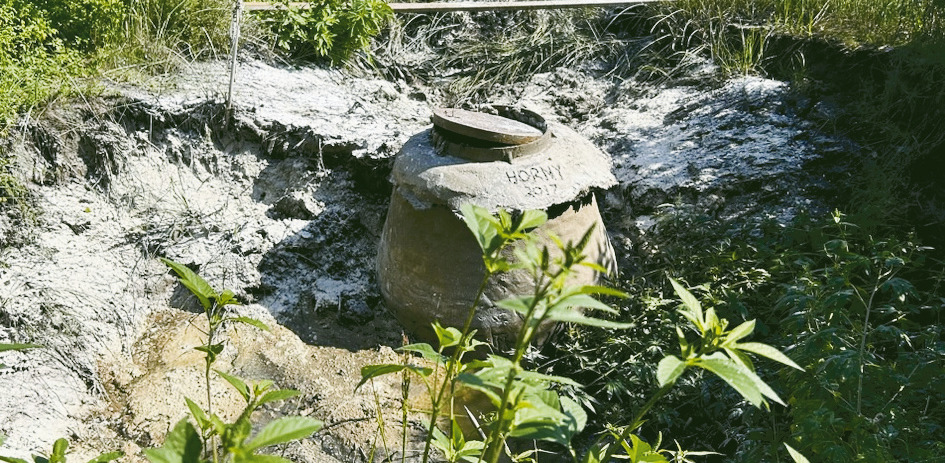
The second and more pressing matter of business was the failure of a manhole and inflow line at the city’s sewer treatment plant. The soil around the structure was sinking and without the support, the pipe could break.
According to acting city manager Justin Woldridge, if the inflow line was inoperable, it would shut down the tire city’s sewer system.
Woldridge had been working for five weeks to get bids on the work, but only two firms – BRB which is constructing the addition to the system and BG Pipeline and Supply.
BRB’s bid was more than $100,000, pushed by the necessity to take workers from the current project and the risk that could push it into the penalty phase, meaning it would not be completed on time.
The second bid, from BG, was for $86,250. That company was also willing to use parts the city had stockpiled for another project but were now available.
The council agreed to approve the bid and emergency funding for the project capped at $99,000 for the total project, including parts and labor.
Woldridge also briefly addressed whether the city sewer system could handle the increased pressure of the Diamondback Correctional Facility which is scheduled to be populated with detainees from the U.S. Immigration and Customs Enforcement (ICE).
He said that when the emergency repairs are made and the sewer system project is complete, the permit will allow the city to take in and process up to 1 million gallons of wastewater per day, enough to accommodate the prison population as well as the city residents.