
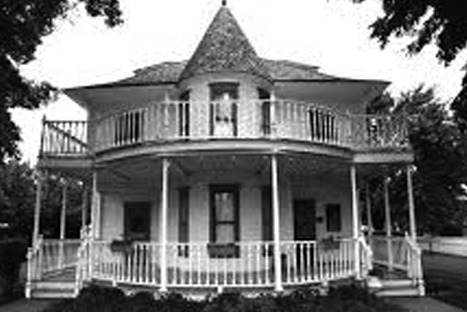
Continuing the theme of land openings in which the Fergusons had an important part, this article is about the Cheyenne-Arapaho opening of April 1892. Understand that the Fergusons arrived from Kansas to this area in October 1892, but the opening and the arrival of the Fergusons are importantly intertwined.
The area comprised six counties in western Oklahoma: Blaine, Custer, Dewey, Day, Washita and what became Roger Mills counties. The total area was approximately 4.3 million acres Census 2024. Cheyenne-Arapaho tribal members received approximately 560,000 acres in allotments of 160 acres to adults. This left 3.5 million acres purchased from the tribes by the US government for $1.5 million Wikipedia Land Run of 1892.
On April 19, 1892, after a proclamation by President Benjamin Harrison on April 12 (seven days of notice), some 25,000 persons lined up claim the land. One reason for the short notice was to try to avoid the chaos of the 1889 and 1891 runs. However, at the end of the day, 2.8 million acres remained unclaimed, about 4/5 of the available land. In June 1892, it was estimated that only 7,600 settlers were living in the land The Encyclopedia of Oklahoma History mentions several reasons for the light uptake of this land Encyclopedia OK History. “First, most people considered the region so barren that ‘about the only sure crop was the rattlesnake.’ ” Many considered the land best suitable for cattle rather than farming. Indeed, the land suffered from an eleven-year drought which had only ended in 1896. Ranching was propagated for many years by ranching interests. Ranchers were known to harass farmers, burning fences and filing charges against farmers, for example, for cutting wood.
The absence of railroads to carry settlers in and crops out was also a deterrent. Hennessey, Kingfisher and El Reno were the nearest stations. Housing was difficult with many settlers around Taloga living in dugouts. Within a dugout, one had to compete with snakes, scorpions and centipedes. Water was scarce and often “gyppy” and many settlers had to haul water in wagons. Many families were ill-equipped to farm. Hunger became an issue for many families. Newspapers and rumor propagated the potential threat of Indian violence against settlers. Native Americans rightly obtained the best land. Consequently, many claims were relinquished.
On the other hand, many native Americans resented the whole process and there was resistance to allotments, loss of grass prairie with farming, and forced assimilation Despite this slow beginning, within 10 years the area was well populated by this third land run. It was into this mix that the Fergusons arrived in Watonga only six months after the opening of the area to settlers.