
Perhaps the first recognition of the contributions made by Black Americans to our history, culture and civilization was in 1925 when the Association for the Study of Negro Life and History announced Negro History Week. That week in February was selected because it held the birthdays of both Abraham Lincoln and Frederick Douglass. The organization was founded by Carter Woodson, who believed truth could not be denied and reason would prevail over prejudice.
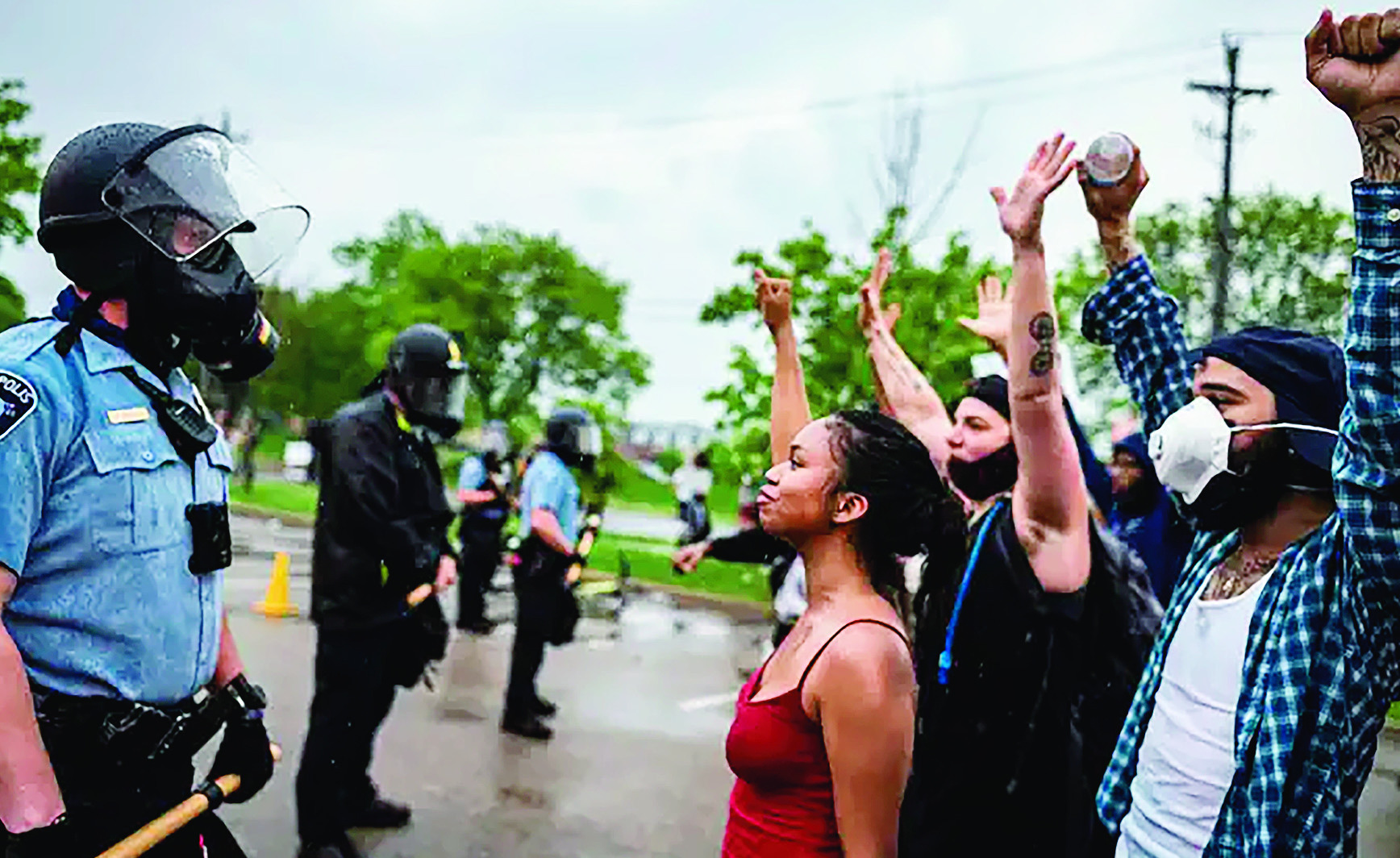
It seems, in light of the recent events in Memphis where a young Black man was beaten so severely by five police officers – each of them also men of color – that he died a few days later, that little progress has been made toward that reason over prejudice behavior.
The officers were fired, and their violent crime task force disbanded. The question remains whether that action will be enough to change the face of interaction between the Black community and police.
Tristian Massey, 21, doesn’t think so. Massey lives in Watonga now, but grew up in Oklahoma City, he said, in a Black community. He is of mixed race and has a unique perspective because his grandfather is a retired law enforcement officer and his step grandmother is Beth Massey, chief of police for Watonga.
“It shows the bigger problem we’ve been talking about, police brutality. It’s worse because five Black officers hurt another African American. That’s heart breaking more than anything because it’s Black officers,” he said.
Massey went on to explain that when the Black Lives Matter movement was at its most vocal, it wasn’t just calling out White officers. The point was officers using unnecessary force just because they could. “It’s not about color, it’s about police brutality,” Massey said.
“I never witnessed cop culture, but I knew growing up all cops weren’t bad,” he said. “I know there are good cops.” Now, living near and building a relationship with his law enforcement relatives, he can see it from both sides and calls it a ‘double- edged sword.’
A big part of the problem, he believes, is qualified immunity. Officers are allowed certain leeway in the completion of their duties that regular citizens do not have.
“That doesn’t always make sense. They (law enforcement) are taught to do certain things and say things so they aren’t held accountable,” he said. He cited when a detainee is told to stop resisting even though they are handcuffed so that if the officers strike or otherwise injure the detainee, they can later say the person was resisting arrest and may be cleared of wrongdoing in the injury of the arrested individual.
“We obviously need police reform,” Massey said. He also believes there needs to be a culture shift. Large companies do lip service to ending racism with months or events dedicated to various cultures, but do little to effect real change in fabric of society. A company might support or celebrate a national recognition month, but still has internal or marketing policies that harm communities of color.
“It’s a culture thing,” Massey said. “It’s better than it was 50 years ago, yeah. Is it where it should be? Hell, no.”