
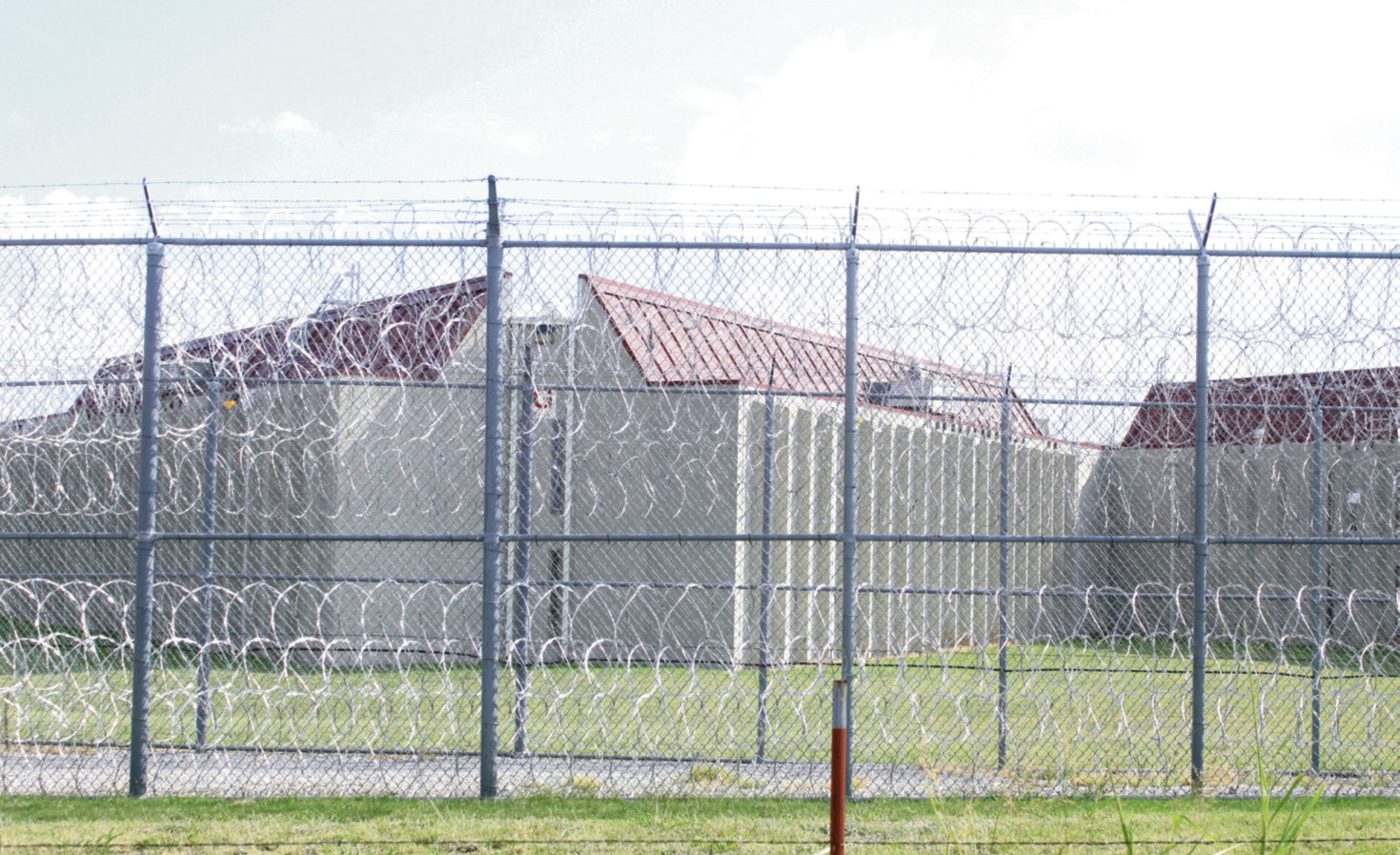
CoreCivic announced early this morning that a contract has been reached to resume operations at the Diamondback Correctional Facility, vacant since 2010.
The contract commenced September 30 and is valid for five years. It may be extended through modifications by all parties.
As with other detention facilities, the payments will be fixed monthly, plus an additional per diem payment based on detainee population. The deal is expected to be valued at $100 million annually once the facility is fully populated. It is expected to begin receiving detainees in the early part of 2026 and be fully populated by the second quarter of 2026.
Damon Hininger, CEO for CoreCivic, said the company expects to invest an additional $13 million over the coming months for renovations at Diamondback at the request of Immigration and Customs Enforcement, or ICE.
CoreCivic has been the recipient of multiple contracts in various states in recent weeks, including Tennessee, Kansas, California and Oklahoma. This brings its immigration capacity to more than 6,000 beds.
The Oklahoma Board of Corrections considered a contract with CoreCivic last week to reopen the 2,100 bed facility The prison closed in 2010.
CoreCivic owns and operates a similar facility in Cushing.
The Oklahoma DOC agreed in a unanimous vote to allow itself to enter into an agreement with CoreCivic if ICE agrees to open a detention facility at Watonga.
That contract was signed Tuesday between ICE and ODOC.
The Oklahoma DOC had released a statement, saying : 'If ODOC enters into an intergovernmental service agreement with ICE, the management agreement will provide the agency management authority over a detention center operated by Core Civic at the Diamondback Correctional Facility. The Oklahoma Board of Corrections unanimously voted to allow the ODOC enter into this management agreement with CoreCivic, should ICE authorize operation of a detention facility at DCF. Any finalized agreements will be released once executed.'
Residents of Watonga have noted ongoing upgrades and traffic at the prison even as the state has tried to move away from the use of privately owned facilities and recently purchased the Lawton prison, touted as the last privately owned prison used to house state prisoners. The state does, however, lease privately owned facilities, including the Great Plains Facility at Hinton. That facility is owned by GEO Group.
A ruling by the Board of Immigration appeals allows mandatory detention of aliens without bond, no matter how long they have resided in the U.S. That, in turn, will increase the demand for facility space.
Spokespersons with CoreCivic pointed out that detainees who are released are not reentered into the communities where they were detained but instead are transported back to the area where they were apprehended.
The company recently signed contracts with ICE to utilize closed facilities in Kansas and California. However, the Kansas facility at Leavenworth has yet to house any detainees because the city wants the company to apply for a special use permit before it can be populated. There is no timeline for the ruling on the legal battle the disagreement has caused.
The Leavenworth contract is valued at $60 million per year to the company at a fixed monthly rate plus added payments based on the number of detainees held at the facility.
Meanwhile, the California facility contract is estimated in value at $140 million annually to the company. It is similar in size to the Diamondback facility.