
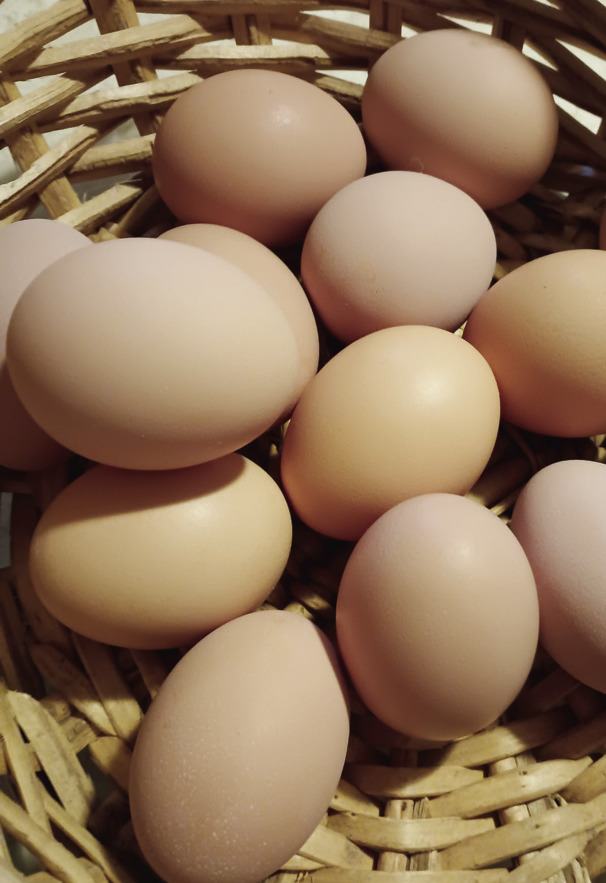
STILLWATER, Okla. – Record-high egg prices are making headlines right now, but when can consumers expect some relief? Oklahoma State University Extension specialists say several factors are to blame for the significant price spike, and the sticker shock is expected to continue through the first quarter of 2023.
“At this time in 2021, eggs were $1.47 a dozen, in 2022 they were $1.93 a dozen and today we’re still at $4 a dozen,” said Rodney Holcomb, OSU Extension specialist in food economics. “The line chart just goes straight up.”
Data from the U.S. Department of Agriculture shows egg prices typically jump during the holiday season, and the cost of eggs has historically increased during times of economic strain. However, today’s record prices reflect the nationwide impact of Highly Pathogenic Avian Influenza and a booming demand for egg consumption.
“In the food research I did 30 years ago as a grad student, eggs were always the lower-cost animal protein option,” Holcomb said. “They were a good protein source that was available, cheap and easy to fix. Over the past couple of years, as the price of beef, turkey, bacon and chicken skyrocketed, people chose to eat more eggs.”
In states where HPAI decimated commercial poultry flocks in 2022, the demand for laying hens outpaced egg supplies. Holcomb said it takes time to rebuild those operations.
“It only takes about six weeks to go from a hatched chick to a broiler that’s ready for market. With laying hens, it takes months for them to grow to sexual maturity, start laying eggs and provide a consistent supply at peak production.”
The worldwide phenomenon of egg consumption also relies heavily on the fact that eggs are an essential ingredient in many prepared foods. While eggs are more budgetfriendly than beef, pork, turkey or chicken, the rapid climb of egg demand in 2022 does not run parallel to a price hike in other markets.
Holcomb said inflation across the board will influence the 2023 egg price outlook because the egg industry’s new normal is yet to be determined. “It’s still a relatively inexpensive protein source, but you’d have to get back down to the $2.50 to $3 range per dozen just to be somewhere in the same category as an inflation-adjusted normal price relative to every other food product,” he said.