
In any kind of unpredictable weather, Oklahoma State University Extension is a helpful resource for storm preparedness.
SUNUP TV, the agriculture television show of OSU Extension, featured OSU Extension housing and consumer specialist Gina Peek in a segment this month on readying the family for an active storm season.
Peek recommends these steps:
Have a family plan.
Share contact information, and make sure family members know where you plan to take cover during an emergency. Identify safe places in the home in case you do need to shelter in place during a storm event.
Create an emergency kit.
A kit should include three days’ worth of food and water that can be easily transported. Gather documents that are crucial to you, and think about what things are irreplaceable or difficult to replace, such as property deeds, birth certificates and marriage licenses.
Confused on what to include in an emergency kit beyond food and water? Ask a local Extension educator for help identifying specific needs. Medications or other health equipment should be considered.
Tune into local news for the latest.
In the event of a storm or wildfire, stay aware and evacuate your property if you’re at risk.
“Having that three-day kit is absolutely essential,” Peek said. “Grab your kit and go, and let the professionals deal with the fire on the property.”
Peek said thinking ahead and knowing what to pack in advance of a stressful situation provides comfort and can set residents’ minds at ease.
“Family preparedness is important no matter what day of the year it is,” she said. “We don’t want people to feel scared. We want them to realize they do have some control, and there are very simple things you can do to help you and your family feel better.”
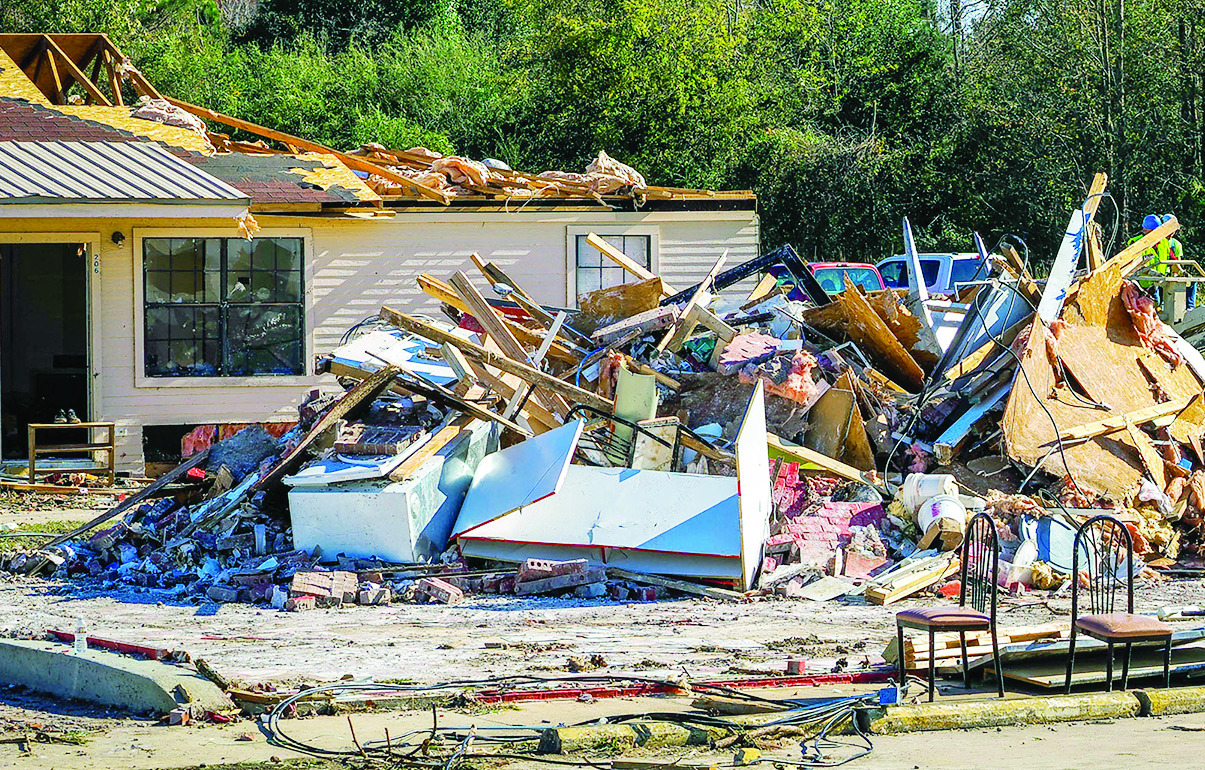
After the danger passes: After destructive natural disasters, families can be left with the daunting task of cleaning up and, ultimately, rebuilding. “Recovering from any major disaster can be difficult, not just physically, but also mentally and emotionally,” said Peek. “There’s no question people will eventually rebuild their homes and lives, but it will take time and patience.”
As a first step, affected families should wait for an all clear notice from emergency professionals before returning to their property. Also, before returning to any potentially damaged property, sketch out a plan of action, including identifying priorities for the most important tasks that should be accomplish first.
“Taking the time to think about how you want to approach the recovery process also will give you a chance to try to mentally prepare for the conditions you could face,” Peek said.
Dress appropriately in protective clothing covering the arms, legs, feet and hands. Safety equipment could include disposable masks, rubber gloves, eye protection and boots or thick soled shoes.
Before entering any structure, inspect the outside of the home.
For example, look at the foundation, roof and chimney for damage. “Always visit the disaster site during the daylight hours, and when entering the area, drive and walk cautiously. Scattered debris could be unstable,” Peek said. “If you have any doubts about the safety of the building or structure, seek professional help before entering the structure.”
If it is safe to go inside the building or residence, carefully clean up. Look for any dangerous items, such as medicines, as well as household chemicals that may have spilled.
Snakes, rodents and other animals could pose hazards around disaster areas so it is important to wear gloves and use a sturdy stick to poke through debris.
Also, watch for nails, splinters and sharp- and ragged-edged objects. Take care to avoid downed power lines.
If there are sparks, broken or frayed wires are visible or if something smells like it is burning, leave immediately. Alert emergency personnel for assistance.
In the event there is a smell of gas or there is a hissing or blowing sound, open a window and leave immediately. Turn off the main gas valve from the outside, if possible, and contact the gas company from a neighbor’s residence.
“Keep in mind if you shut off the gas supply at the main valve, you will need a professional to turn it back on,” Peek said. “Avoid smoking or using oil, gas lanterns, candles or torches for lighting inside a damaged home until you’re sure there’s no leaking gas or other flammable material present.”
Also, always follow the direction of emergency personnel and health officials.
“Become familiar with any regulations aimed at protecting the community against potential disease outbreaks,” Peek said. “If you suspect any violations, report them immediately to the appropriate authorities.”
Finally, families should take their time working through the clean up process.
“Pace yourself and watch closely for signs of stress in family members,” Peek said. “If it gets to be too much for you or other family members, don’t be afraid to ask for help or seek professional assistance.”
Every family and household should discuss an emergency preparedness plan. When disaster strikes, OSU Extension educators are ready to assist with recovery. (Photo by OSU Agriculture)