
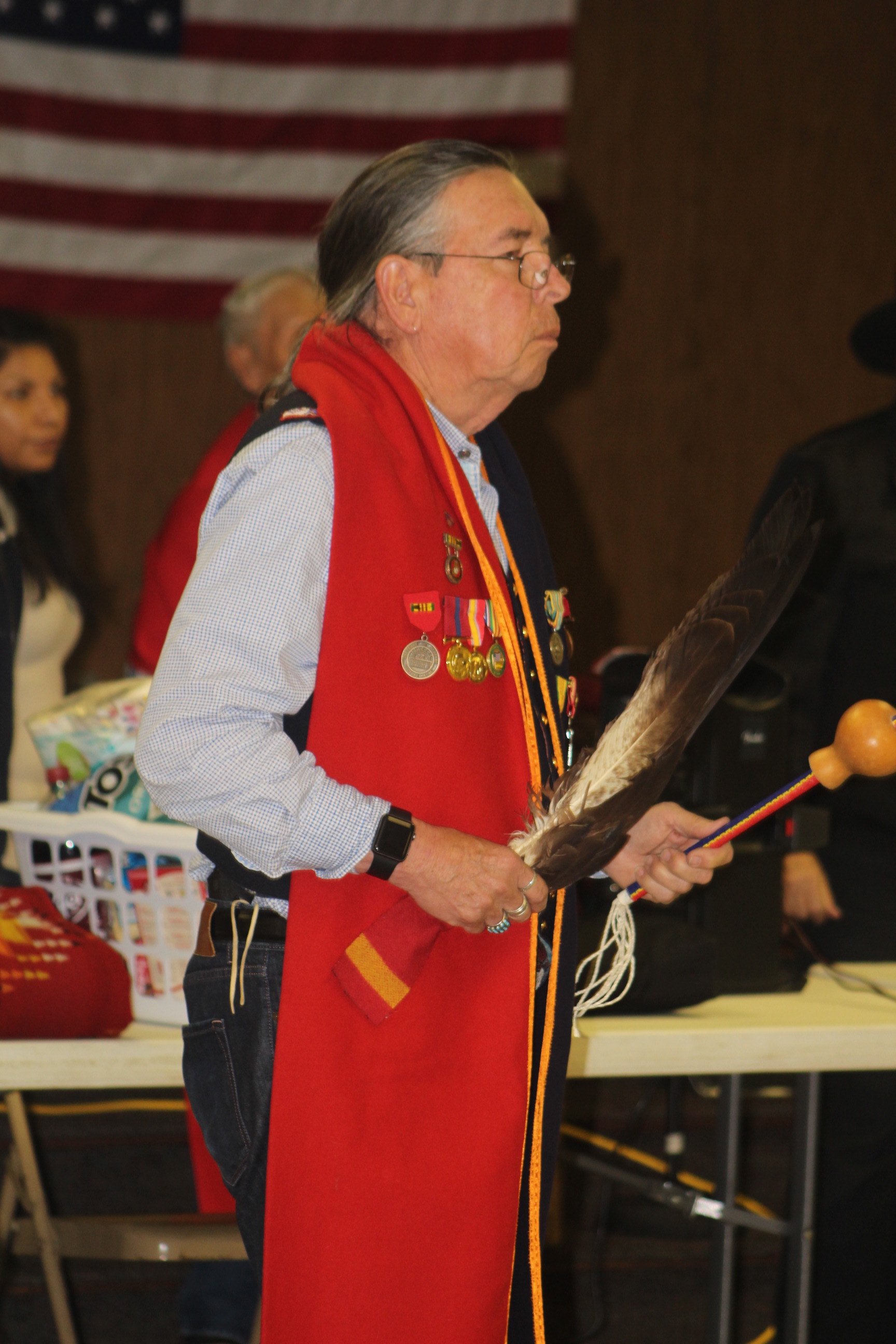
The United States federal government maintains a government-to-government relationship with federally recognized American Indian tribes and Alaska Native (AI/AN) entities. The "government-to-government" relationship is based in the U.S. Constitution, treaties, federal statutes, court decisions and executive branch policies, as well as moral and ethical considerations. That being said, the Centers for Disease Control and Prevention offer considerations for tribes and members who may be considering attending seasonal ceremonies.
These ceremonies may include sweat lodge, social gatherings and larger events such as pow wows and rodeos and are a vital part of Native cultural identity. They are also common, traditional practices in tribal communities. The CDC recommends certain steps to help decide how best to keep their communities safe and work to prevent the spread of COVID-19.
Because of the sovereign nature or tribal leadership, these suggestions are provided to support, not as a replacement for, tribal laws, rules and regulations that protect the health of tribal communities.
Larger, tightly spaced gatherings held over a longer period is more likely to spread the Coronavirus. This is an elevated risk for tribal members such as elders or those with underlying medical conditions. Steps taken early can help prevent that spread at birthday parties, sweats, pow wows, rodeos, funerals or reunions.
Small gatherings outside or in large buildings with good air flow and with no food served are lower risk, especially when tribal members remain six feet or more away from each other, wear face masks and do not touch the same items.
Larger gatherings where social distancing is maintained but food in prepackaged boxes and disposable forks are at the next risk level, while large gatherings and ceremonies with little room for distancing, sharing of items and food served family style to attendees who may be from multiple tribal communities or outside the area are at the highest risk level for spread of the virus among tribal members.
Elders and leaders can consider postponing, rescheduling or canceling in-person tribal ceremonies or gatherings.
They may consider holding virtual events or hold them at another time, if tribal traditions allow.
If those considerations are not possible, suggestions to consider within the framework of tribal traditions include limiting the size of the group, holding the event in large areas or outside, practice social distancing, offer appropriately spaced seating and viewing locations, encourage wearing a mask, washing hands often with warm soapy water for at least 20 seconds, or use hand sanitizer that is at least 60% alcohol. Event planners should provide adequate soap and water, sanitizer, tissues and trash receptacles that do not require touching to use.
Clean and disinfect frequently touched surfaces at least daily and clean shared items between uses, if possible. The serving and sharing of food is a consideration as well, attempting to avoid family style or buffet service while observing tribal traditions.